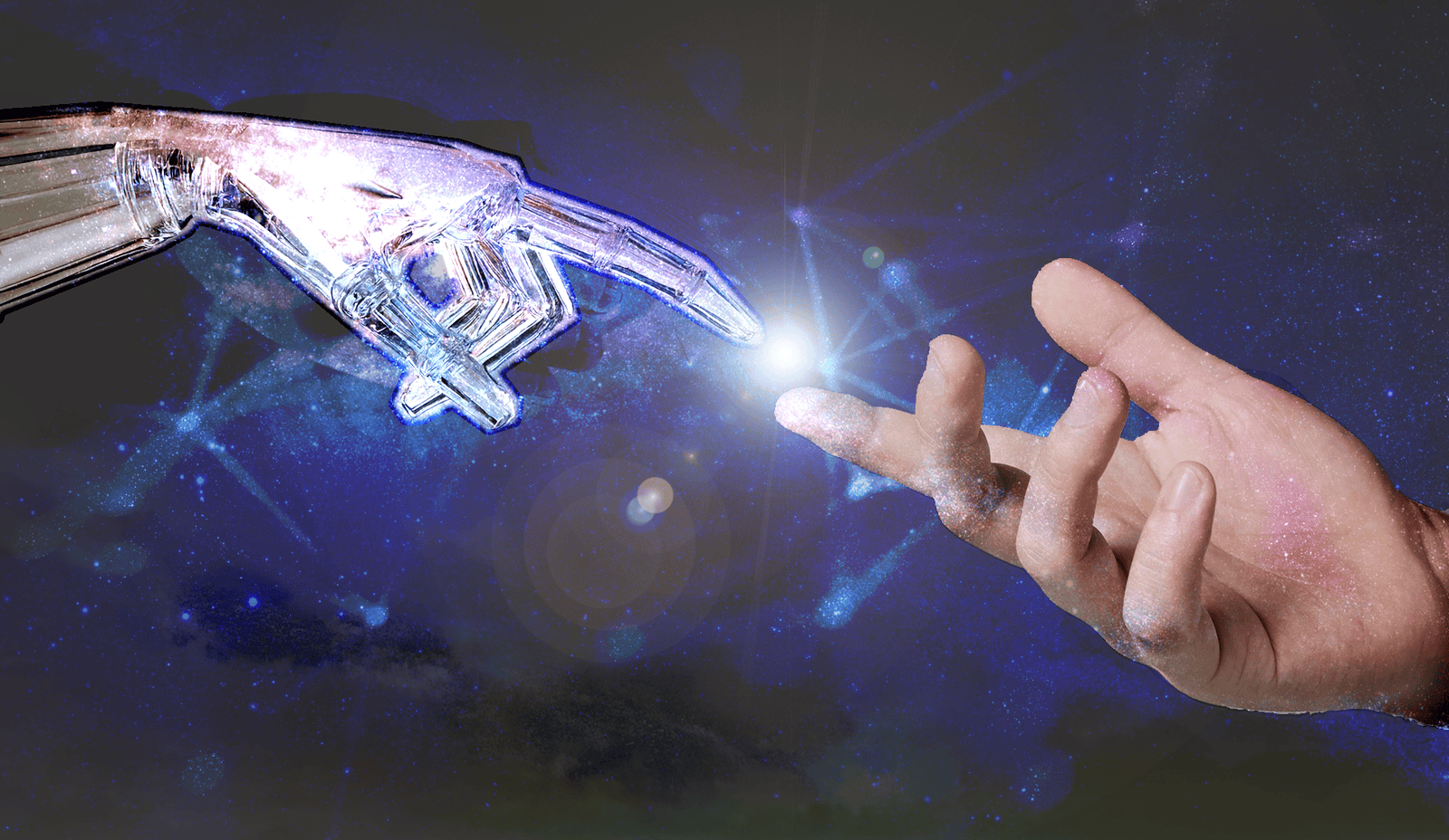
Artificial intelligence is no longer a distant promise in healthcare — it is already reshaping the way physicians diagnose disease, educate patients, and approach long-term wellness. In this episode of the WellnessJourney.LIFE interview series, host Christopher Hill brings together two clinicians working at the intersection of traditional medicine and modern innovation: Dr. Sabeen Amir, a senior general practitioner at Prime Medical in Dubai, UAE, and Dr. Charles Cavo, co-founder and Chief Medical Officer of Pounds Transformation in Connecticut. Together, they offer a rare dual-continent perspective on how AI is changing what it means to be a physician — and a patient — in 2025.
AI Is Rewriting the Diagnostic Playbook
Dr. Amir opened the conversation by describing the rapid pace of AI adoption she has witnessed firsthand in the UAE — a country with one of the world's most aggressive commitments to healthcare innovation. She highlighted the transformation underway in radiology, where AI systems are now actively assisting in the reading of X-rays and MRI scans, flagging anomalies with a speed and consistency that complements the clinical eye of experienced practitioners. Cardiology and oncology are also seeing significant momentum: CT heart scoring algorithms, AI-assisted cancer screening, and advanced imaging analytics are giving physicians a sharper diagnostic lens than any previous generation of doctors has had access to.
"AI has been taking over a lot of the medical field slowly — and human touch will always stay there."
Dr. Cavo echoed this from a different vantage point. As an OB-GYN who pivoted to preventive and functional medicine, he has watched chronic disease rates climb despite the best efforts of conventional treatment — and sees AI not as a replacement for clinical judgment, but as a powerful amplifier of it. He described the moment that redirected his career: watching his wife's practice grow from a small weight-loss clinic to a multi-office operation with hundreds of physician referrals and a Netflix documentary, all built on the radical idea of de-prescribing medications through nutrition, lifestyle change, and addressing root causes rather than symptoms. AI, he argues, gives that root-cause philosophy the diagnostic precision it has always needed.
The Patient Has Changed — And So Has the Appointment
One of the most nuanced threads in this conversation was the evolution of the informed patient. Both doctors described the double-edged nature of search engines and AI chatbots: on one hand, patients who research their symptoms are more likely to present earlier, enabling earlier detection and better outcomes. On the other hand, a patient who arrives having diagnosed themselves with a rare condition via ChatGPT can require significant time to reassure and redirect. Dr. Amir noted that too much unfiltered information can generate anxiety disproportionate to the actual clinical picture. Dr. Cavo framed it as a 'double-edged sword' — some appointments become more efficient when a patient's self-research is accurate; others require careful course-correction.
What both physicians agreed on, however, is that the solution is not less patient engagement — it is better patient guidance. Both doctors encourage their patients to keep personal health logs, track sleep, nutrition, movement, and stress, and bring that data to their appointments. Dr. Cavo distilled the fundamentals into four actionable buckets patients can manage themselves: food, sleep, movement, and stress management. Dr. Amir emphasized the same lifestyle synchronization — urging patients to look first at what in their daily routine has gone 'off track' before assuming the worst. It is an approach that treats the patient as an informed collaborator, not a passive recipient of care.
Looking Ahead: Cancer, Alzheimer's, and the Connected Clinic
When asked about the technologies they are most excited about over the next decade, both physicians pointed immediately to two areas where progress is urgently needed: early cancer detection and Alzheimer's disease. Dr. Cavo articulated the aspiration clearly — the goal is not just to fight metastatic cancer but to win the war through detection at stage zero. Full-body MRI screening is generating growing interest among patients, though Dr. Cavo noted it remains cost-prohibitive for many and can occasionally generate unnecessary anxiety through incidental findings. Both doctors are watching the Alzheimer's research space closely, noting early signs that science may be beginning to crack that particular code.
On the operational side, the conversation turned to physician-to-physician communication — a surprisingly rich area of innovation. Electronic medical record (EMR) connectivity is enabling faster information sharing across care teams, and Dubai is actively working toward a unified patient records platform accessible across providers. The vision: any physician, seeing any patient for the first time, has immediate access to a complete clinical picture. This kind of seamless data continuity is the infrastructure beneath all the more visible AI advances — and both doctors see it as foundational to the future of care.
The WellnessJourney.LIFE Takeaway
What makes this conversation resonate so deeply for the WellnessJourney.LIFE community is its grounding in lived clinical experience. These are not technology evangelists — they are working physicians who have seen patients get sicker under conventional models, pivoted toward root-cause and lifestyle medicine, and now see AI as the tool that can finally make preventive care scalable. The message for every person listening is clear: the healthcare system is shifting from reactive to proactive, and the patients who benefit most will be the ones who show up informed, engaged, and willing to be partners in their own wellness. AI is helping physicians see more — but the patient's role in this new paradigm is just as important as the algorithm's.
Watch the Full Interview